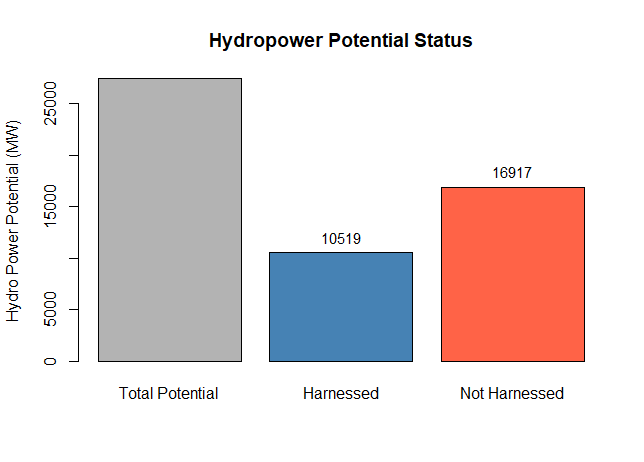
Himachal Pradesh is called the power state of India. The lofty mountain and steep rivers of the Himalaya give it natural energy potential. Himachal Pradesh has 25 % of National Hydro Potential. Snowfall and monsoon rain feed large and small hydropower schemes. Electricity from Himachal supports local needs and national demand. At the same time, power projects shape the geography, economy, and environment of the state. Himachal Pradesh Launched one of the first Hyrdo Power Policy in 2006. Govt also Start giving Preference to small hydro Projects and Himachal’s Hydro Sector is growing rapidly. This article explains the major power projects, current trends, benefits, and challenges.
Electricity Sector and State Economy
Electricity Sector come under the Secondary has registered an impressive growth rate of 11.5 per cent in FY2024-25(AE).
Rise of Hydro Power in Himacha Pradesh.
In 1912 first hydro project of State was built in District Chamba and in 1925 Shanan Power Project was built. Due to lack of Technology and terrain challenge, state’s full potential can never be exploited. Between 1960 and 1980 many large National level Project began to be build. Bhakhara Dam and Pong Dam both were build in this period. After 2000s many private Players were allowed to enter in Hydro Sector.
Various Producer of Electricity in Himachal Pradesh.
In HPSEBL, 27 HEPs with a total installed capacity of 489.35 MW are operational. During FY2023-24, Uhl Stage-III (100 MW) HEP, is under construction by Beas Valley Power Corporation Limited (BVPCL), a subsidiary company of HPSEBL.
The Government of Himachal Pradesh has allotted 4 projects to HPSEBL i.e. Devi Kothi HEP (16 MW), Sai Kothi-I HEP (15 MW), Sai Kothi-II (18 MW), Hail HEP (18 MW) for implementation all in the Tissa region of District Chamba.( Source Economic Survey 2024-25)
Himachal Pradesh Power Corporation Limited (HPPCL) was incorporated in December, 2006 under the Companies Act 1956, with the objective to plan, promote and organize the development of power generation on behalf of Government of Himachal Pradesh (GoHP). It has installed capacity of 276 MW ( Source) . However HPPCL is executing many important Projects.
Solar Project of HPPCL
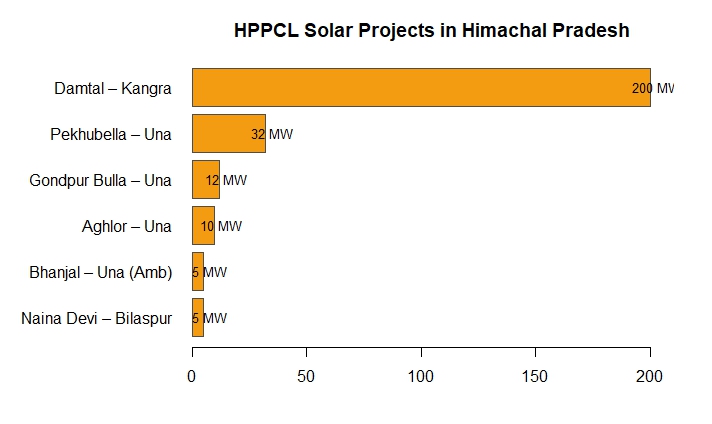
- HPPCL has built a 5 MW solar power facility near Shri Naina Devi Ji Shrine in the district of Bilaspur. This was the first solar power project established in the state by the government.
- HPPCL has successfully commissioned the 32 MW Pekhubella Solar Power Project in the village of Pekhubella, Una District.
- HPPCL has completed the construction of the 5 MW Bhanjal Solar Power Project in Tehsil Amb, District Una
- The Aghlor Solar Power Project (10 MW) initiative in Una district, is nearing completion.
- The Gondpur Bulla Solar Power Project (12 MW) and the Lamlehri Uparli Solar Power Project (11 MW) are slated for completion by 2025 but station is unknown.
- 200 MW solar project pre-feasibility reports for Damtal, Kangra district have been finalized.
HIMURJA was constituted in 1989, to promote renewable energy programs in the State with financial support from the Ministry of New and Renewable Energy (MNRE), Government of India and the State Government.
Following Projects of HPPCL are Still under implementation. ( See Full List at the End )
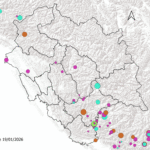
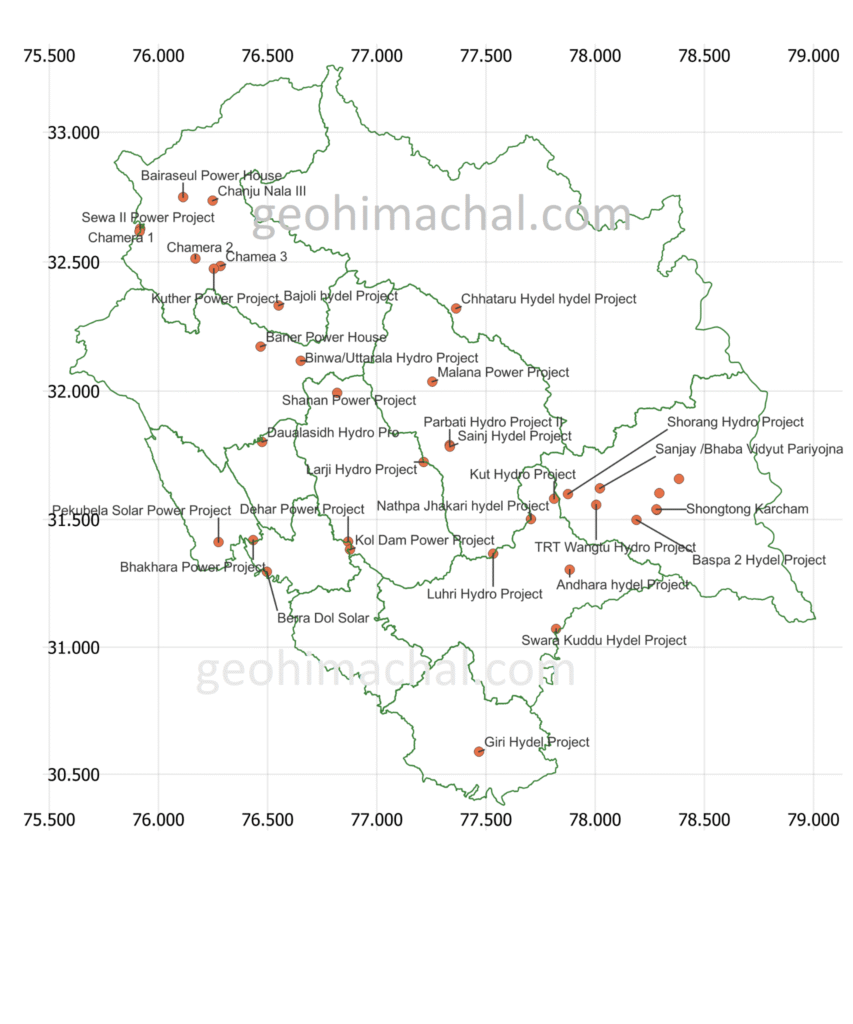
Map of Power Projects of Himachal Pradesh.
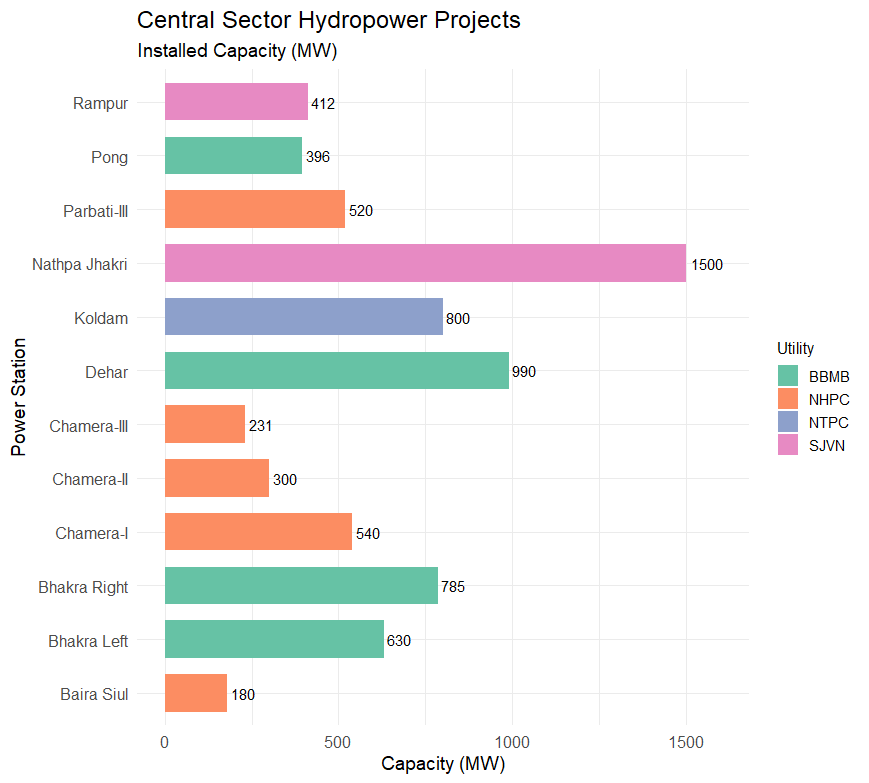
Central Sector Undertaking above 25 MW. ( Total Potential = 7284 MW )
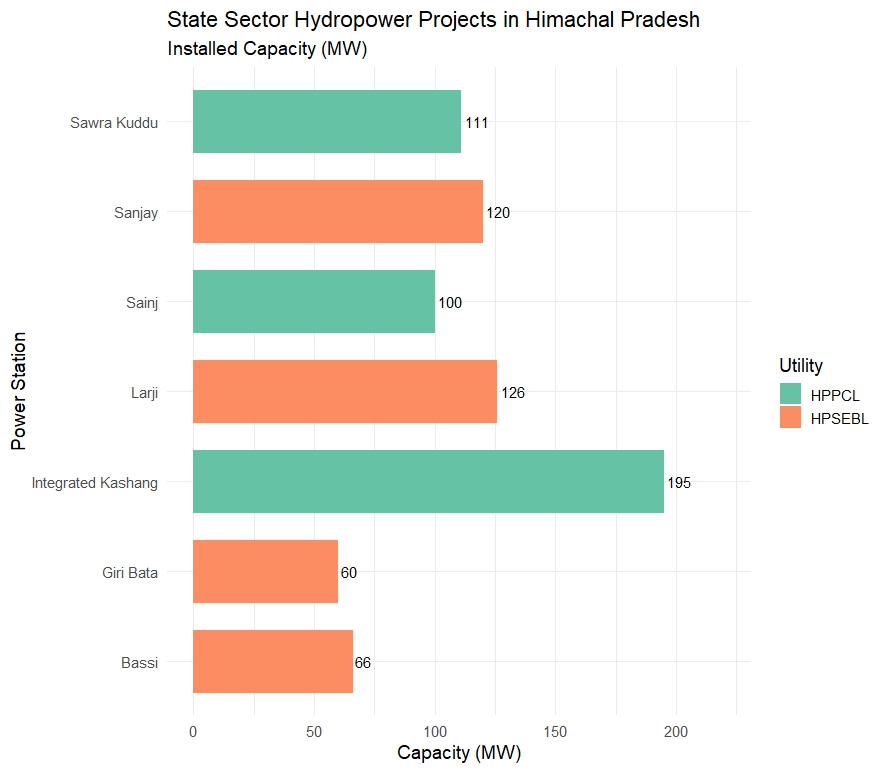
Himachal Pradesh ‘s Undertaking above 25 MW
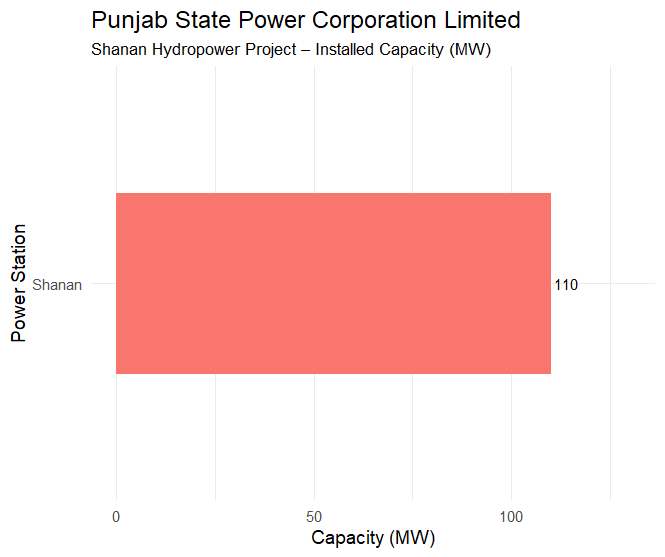
Punjab Govt Undertaking above 25 MW
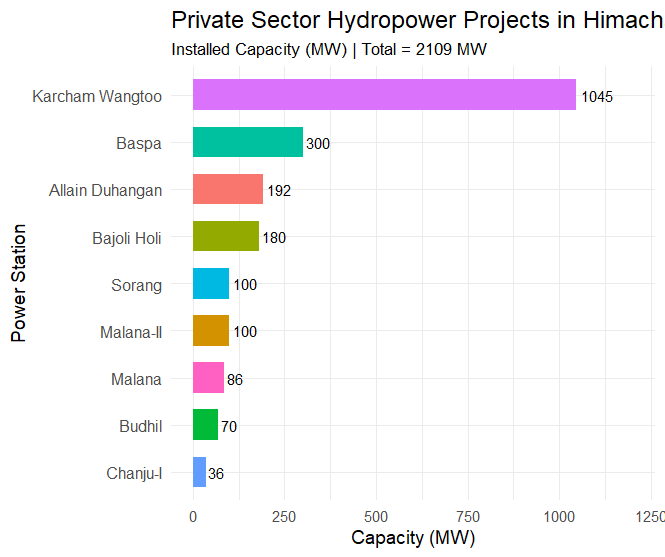
Private Sectors Undertaking above 25 MW
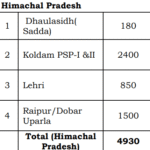
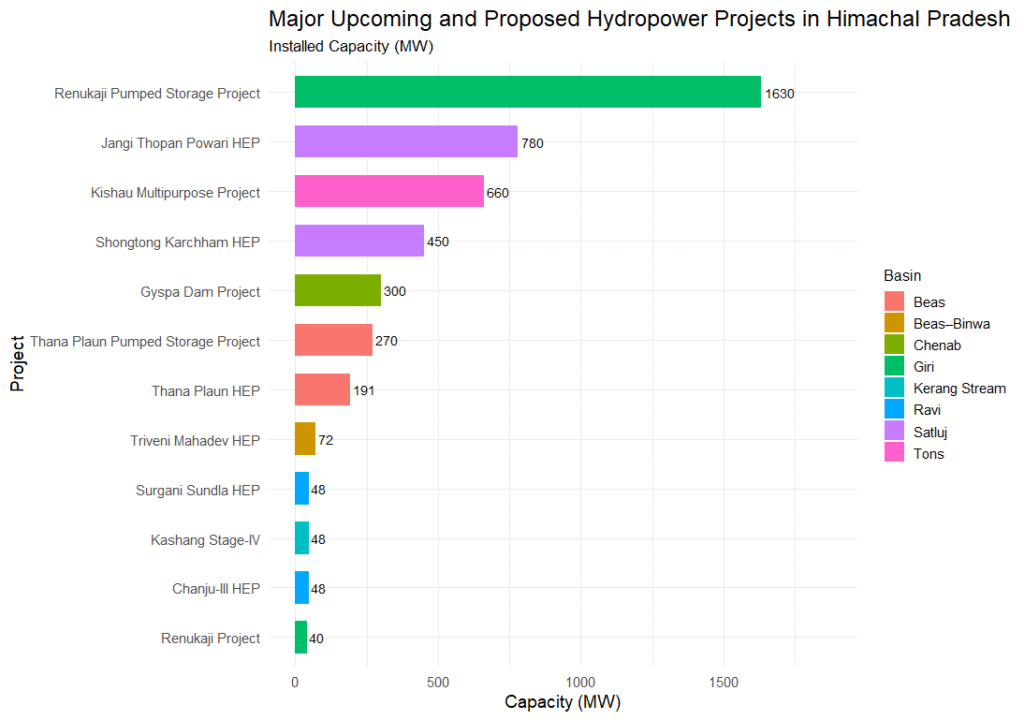
HPPCL Under implementation Projects
Small Hydro Projects unto 5MW and Water Mills conversion
Himurja (Himachal Pradesh Urja Vikas Nigam Limited) is spearheading a sustainable, decentralized energy revolution by upgrading the traditional watermill, or ‘Gharat’. These modified water wheels are 40% more efficient and are capable of producing enough mechanical energy for grinding mills and up to 5 KW of electricity. This upgraded hydropower mechanism is ideal for small streams, requiring just 100 to 120 liters per second of discharge and a head of 8 to 10 meters. The generated power is used for captive consumption, providing sufficient electricity for 5 to 10 nearby households, crucially acting as a reliable power source for local communities, especially when heavy snowfall disrupts the main grid supply. Complementing this local focus, the state actively promotes the development of Small Hydro Projects (up to 5MW), inviting technically capable organizations and individual investors to utilize the state’s vast identified potential of over 469 sites to ensure clean, reliable, and ecologically balanced energy production for the state’s rural and tribal development.
Problems with small Hydro Projects
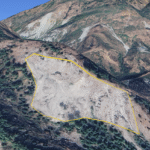
Small hydro Projects like 5 MW look excellent on paper for their promised benefit, but deeper look expose overall vulnerability of Projects. 5 MW project are often located deep inside the mountain. The access to the site is difficult are required new roads building. Himalayan rocks are hard and contractor use blasting and heavy machinery for construction, which devastate the regional Geology and Ecology. From Input and output ration point of view small projects are equally harmful are larger one.