India’s Nationally Determined Contribution (NDC) targets, is to reduce the emission intensity of its Gross Domestic Product (GDP) by 45% by 2030, get to 50% of installed capacity from non-fossil fuel sources creating a 2.5-3.0 Billion tonne carbon sink by 2030 and achieve net zero carbon emissions by 2070. This is difficult but achievable task, there are many alternative to achieve this ambitious Goal, Pumped Storage Projects (PSPs) is one such option which can proved most economical and envrionment friendly.
What is PSP
Pumped Storage Projects are large-scale energy storage systems that use the gravitational potential of water to store and generate electricity. They operate by pumping water from a lower reservoir to an upper reservoir during periods of low electricity demand or surplus renewable generation, and releasing it back through turbines to produce power during peak demand. PSP can be classified as On the River PSP and Off River PSP, former is made on river course itself later is off the location of river.
Total PUMP Storage Project Potential of Himachal Pradesh
Himachal Pradesh has total 7260 MW PSP potential and it is set to achieve1116 MW potential by 2034-2035.
Identified PSP Capacity of Himachal Pradesh
Off Stream PSP
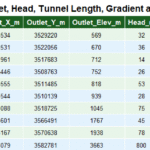
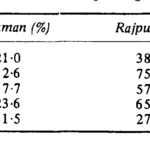
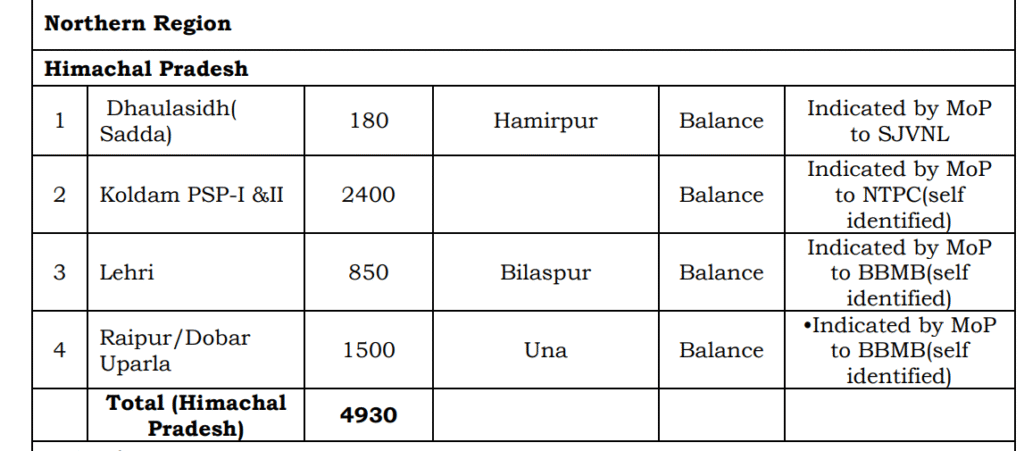
Off Stream Pump Storage of Himachal Pradesh ( as on Jan 2025) identified to be 4930 MW which can be increased furhter. Dhaulasidh Project with 180 MW is Potential PSP, it is followed by Koldam PSP -I and II having 2400 MW, Lehri 850 MW and Raipur Una 1500 MW.
On Stream PSP
On stream PSP Project has Potential of 2330 MW. It incldude Renuka Ji with 1630 MW and Majra in Kangra with 700 MW.
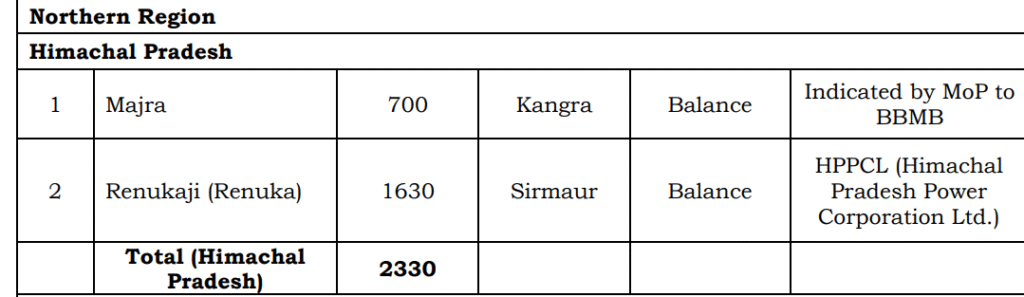
Presently Himachal Pradesh has no PSP project. However Govr has sanction two such project one is Renuka Ji with 1630 MW and other Thana Plain in Mandi with 270 MW to HPPCL.
Critical analysis of Project
While PSP is in initial phase of concept building in India. There is need of making critical analysis of PSP projects in Himachal Pradesh particularly. Govt has provided approval for Thana Panin in Mandi ( 270 MW ). ( See Report here )
Social Impact Assesment , while SIA does not mention any Private land acqusition in the projects but such a Project can reduce Village common Land, which local villager used for grazing and collection of other minor resource , which can be lost.
Himachal Pradesh has high Rural Population solely dependent upon agriculture, which can adversely impacted. Ancilliarly acitivities like road, infrastructure will required acquisition of Private land.The Project can submerged many village creamatorium, fruit Trees etc , Storage of water can reduce Drinking water , irrigated water and harm the acquatic sytem.
Geological Challenges
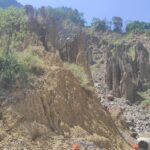
The Thana Plaun hydropower project is located in the young Himalayan mountains, which are still unstable and geologically active. The rocks in this area are mainly shale, slate, phyllite, sandstone, and fractured quartzite. These rocks are weak and easily break during excavation, making tunnels and underground caverns prone to collapse, leakage, and deformation.
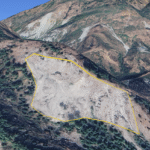
The site lies close to major fault zones such as the Main Boundary Thrust. Because of these faults, rocks already have cracks and weak planes. Mandi district is classified as a high to very high landslide risk zone. Cutting slopes for roads, tunnels, and dumping material increases landslides, especially during the monsoon.
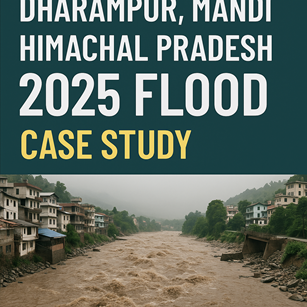
The region receives around 1,600 mm of rainfall each year, mostly in monsoon months. Rainwater enters rock cracks, reduces rock strength, and triggers slope failures and tunnel problems. The Beas river carries heavy sediment due to fast erosion in the Himalaya. This sediment fills the reservoir, damages turbines, and causes riverbed disturbance during flushing. During the 2025 monsoon its adjoining area faced flood like situation. ( Click here to read )
The area falls in earthquake zone IV–V, where strong earthquakes are possible. A high dam, large reservoir, and underground structures increase seismic risk. Repeated filling and emptying of the reservoir adds stress to fractured rocks and can trigger small earthquakes and slope movement. Overall, weak geology, faults, landslides, heavy rainfall, sediment load, and earthquake risk together make the project geologically fragile and high-risk in the long term.
River Profile is itself very sensitive , beas river after crossing Mandi Town passes through very narrow pass, if Dam is created is can weak the mountain slope. Further Project require underground tunneling , mine blasting can also alert the regional Geology.
Suggestion for PSP Projects
Thus we can say PSP project has same concern as any other Power project. However PSP project required more land and high capital cost. Lower river riparian villages/People may adversely impacted. Thus this PSP project required to accomdate lowe riparian Panchayats and population in survey also. It should be mandatory for Projects owner to spend a portion of earning exclusively to restore local ecosystem.
Why PSP are Beneficial to Himachal Pradesh
PSPs are environmentally friendly and safe and do not face disposal challenges, unlike some other storage technologies. They are green, long-lasting, and capable of providing large-scale flexibility required for integrating high levels of VRES. The promotion of PSPs is supported not only by their usefulness in balancing renewable energy and maintaining grid stability but also by their wider environmental advantages compared to other energy storage systems.
Overall Challenges
- Loss of energy while pumping.
- At times Attracts adverse impact on environment due to large submergence in two reservoirs.
- Large land acquisition.
- Initial cost is very high and cost economics is a challenge.
- Long gestation period.
- Requires highly meticulous and judicious planning and design.
- Very difficult to find suitable site and the ideal site is rare to find.
- Geological Challenges are elephant in the room , such DAM can open new Geological challenges.
Biggest Challenge for Govt will be to find out more potential site. PSP are still not proven Technology and require deep planning and Technological know-how. While state has limited resource, Private player partnership may be beneficial, still high capital cost will limit the overall PSP project developments in foreseen future.