Section 118 regulates land ownership in Himachal Pradesh. It was introduced to protect local farmers from losing agricultural land and to prevent large-scale outside land holdings. The 2025 amendment proposes easing certain restrictions to support business, housing, cooperatives and tourism. This change can influence the physical, social and economic geography of the state.
Sec 118 and Geographical Implications
Land Use Transformation
Amendment and relaxation in Sec 118 mean more private investment can lead to faster conversion of farmland into industrial estates, commercial centres, educational hubs and tourism infrastructure.This transformation will be highest in accessible river valleys and fertile plains. We must note that exemption in 118 has bring heavy investment in Himachal Pradesh especially in bordering area many new industrial hubs has emerged in last decade, however exemption also has contributed to illegal mining by stone crusher mainly owned by non Himachali.
Urban Expansion and New Settlements
Cities like Shimla, Dharamshala and Solan, and emerging hubs like Paonta Sahib, Nalagarh, and Gaggal–Nagrota Bagwan may spread outward.New satellite townships may appear along highways and airport zones. This will increase further pressure on Rural system. Private real estate will be promotes heavily due to exemption under Sec 118. Now Private builder can buy any Land , make flat and can sell them out to outsider bypassing Sec 118.
Agricultural Pattern Changes
Prime agricultural belts of Kangra, Una, Hamirpur and Sirmaur may lose land to real estate and industries.This could affect traditional crops, irrigation systems like Kuhls, and food security. As rural area and Private Builder both have got exemption , this is going to disturb the Rural Agriculture and Land System.
Investment Corridor Growth
Transport corridors such as Parwanoo–Baddi–Nalagarh, Kangra–Hamirpur, and Mandi Sundernagar highways may become stronger economic clusters. National Highways has connected the remotest or hitherto poorly connected rural with outside, these area will bear deep burnt of this amendment.
Regional Inequality
Wellc onnected districts may see rapid development, but remote mountainous regions (Kinnaur, Lahaul–Spiti, Chamba interiors) may remain slow, increasing regional imbalance. It is quite sure that in tribal area rules under Sec 118 will very stringent.
Rising Land Prices
Real estate values are expected to increase sharply around tourist centers like Manali, Dharamshala, Shimla and near new industrial projects. Which can shake the fragile rural economy of Himachal Pradesh. Himachal Pradesh has more than 95 % rural area which will make almost all Himachal open to sale to outside.
Environmental and Landscape Impact
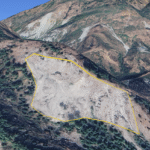
Construction in fragile hill slopes can increase landslides, affect riverbanks, forests and traditional terracing.Unregulated development may damage cultural landscapes and biodiversity. Since Rural Land has get explicit exemption for leasing , most Environmental impact will be visible there. Conversion of Agricultural Land for Real estate is inevitable.
Strengthening Cooperatives
Cooperatives formed only by agriculturists can now acquire land without special permission.
This may encourage community-led food processing, agribusiness, cold storage and rural tourism projects. Prima Facie it look a good step ,but in long run its effect will be remain to be look.
Conclusion
Section 118 has long shaped Himachal’s land ownership and development pattern. The 2025 changes mark a major shift in land policy. The future geography of Himachal will depend on how the state balances economic growth with preservation of agriculture, ecology, and local rights.